Understanding Water Buffalo Life: Lifespan and Impact

Water buffaloes are remarkable creatures that have played a vital role in agriculture and culture for thousands of years. Their unique characteristics and contributions make them an essential part of many ecosystems and economies. This article explores the lifespan and impact of water buffalo, providing practical insights and detailed information about these fascinating animals.
The Life of a Water Buffalo: An Overview
Water buffaloes are large, sturdy animals known for their strength and adaptability. They thrive in wet, marshy environments and are commonly found in Asia, parts of Europe, and Australia. Their ability to work in challenging conditions has made them invaluable to farmers and rural communities.
Typically, water buffaloes are used for ploughing fields, transporting goods, and providing milk and meat. Their thick hides also serve as raw material for leather products. Understanding the life cycle and habits of water buffaloes helps in managing them effectively and ensuring their welfare.
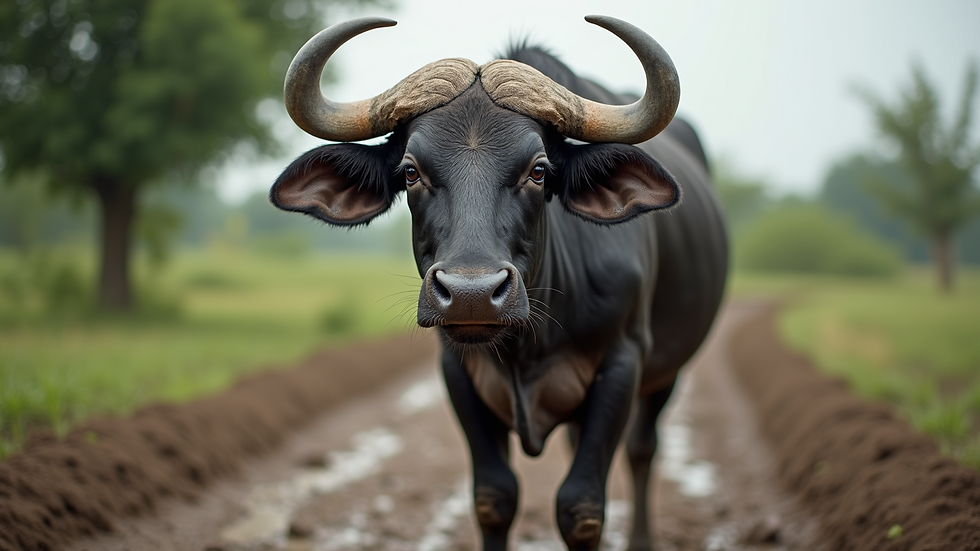
Water Buffalo Life: Key Stages and Characteristics
Water buffalo life can be divided into several stages, each with distinct characteristics and care requirements:
Calf Stage: Newborn calves depend heavily on their mothers for nutrition and protection. They grow rapidly during the first year.
Juvenile Stage: Between 1 and 3 years, buffaloes develop strength and begin to adapt to their working roles.
Adult Stage: From 3 years onwards, water buffaloes reach full maturity. This is when they are most productive in terms of work and reproduction.
Senior Stage: After about 15 years, buffaloes may slow down and require more care.
Proper nutrition, shelter, and veterinary care throughout these stages are crucial for maintaining health and productivity.
The Lifespan and Health Factors of Water Buffalo
The average water buffalo lifespan ranges from 18 to 25 years, depending on breed, environment, and care. Some key factors influencing their lifespan include:
Diet: A balanced diet rich in roughage, minerals, and vitamins supports longevity.
Environment: Clean, dry shelters and access to water reduce disease risks.
Healthcare: Regular vaccinations and parasite control prevent common illnesses.
Workload: Overworking can shorten lifespan, so managing workload is essential.
Farmers who invest in good husbandry practices often see their buffaloes live longer and remain productive for many years.

Economic and Environmental Impact of Water Buffalo
Water buffaloes contribute significantly to rural economies and ecosystems. Their impact can be summarized as follows:
Agricultural Productivity: Buffaloes are natural plough animals, especially in rice paddies where machinery is less effective.
Milk Production: Buffalo milk is richer in fat and protein than cow’s milk, making it ideal for dairy products like cheese and yogurt.
Meat Supply: Buffalo meat is a source of protein in many countries.
Environmental Benefits: Buffaloes help maintain wetland ecosystems by grazing and trampling, which supports biodiversity.
In many developing regions, water buffaloes are a cornerstone of sustainable farming, providing income and food security.
Caring for Water Buffalo: Best Practices
To ensure a healthy and productive water buffalo life, consider these actionable recommendations:
Provide Adequate Nutrition: Include fresh grass, hay, and mineral supplements.
Maintain Clean Water Sources: Buffaloes need constant access to clean water for drinking and wallowing.
Shelter and Shade: Protect them from extreme weather conditions.
Regular Health Checks: Schedule veterinary visits for vaccinations and parasite control.
Manage Workload: Avoid overburdening animals, especially during hot weather.
Implementing these practices improves animal welfare and enhances productivity.
The Cultural Significance of Water Buffalo
Beyond their practical uses, water buffaloes hold cultural importance in many societies. They are often featured in festivals, folklore, and traditional ceremonies. In some regions, owning buffaloes is a symbol of wealth and status.
Their role in rituals and community events strengthens social bonds and preserves heritage. Understanding this cultural dimension adds depth to the appreciation of water buffalo life.
Water buffaloes are more than just farm animals - they are vital contributors to agriculture, economy, and culture. By understanding their lifespan and impact, we can better care for these animals and harness their benefits sustainably. Whether for work, milk, or cultural value, water buffaloes continue to be indispensable partners in many parts of the world.


Comments